Nature has bestowed us with countless wonders, and one such mesmerizing botanical marvel is the porcelain vine (Ampelopsis brevipedunculata). This captivating climber, originating from East Asia, has been captivating gardeners and nature enthusiasts alike with its stunning foliage and vibrant berries. Join us as we explore the intriguing characteristics and growing essentials of the porcelain vine, revealing why it has become a cherished addition to gardens worldwide.
This cascading Himalayan plant bursts into flower in summer and sweetens the air with its fragrance
Why will I love it?
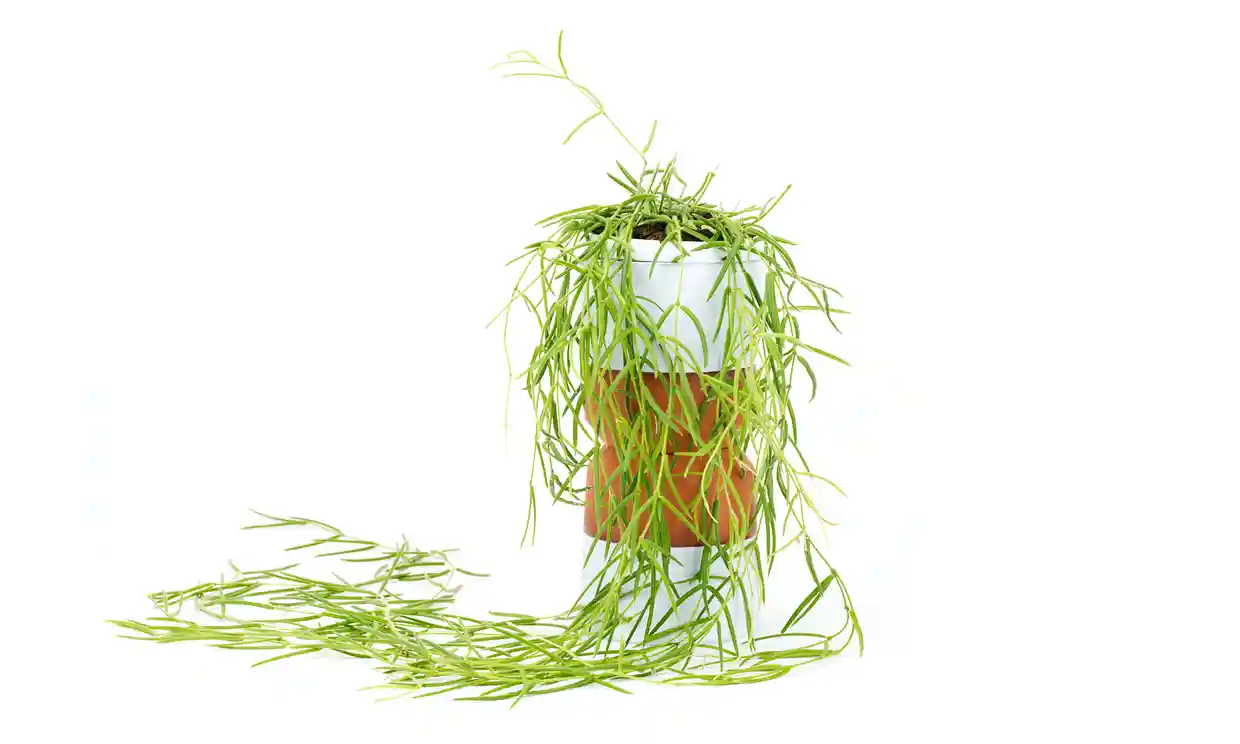
Originally from the Himalayas, the succulent hoya linearis is a long, trailing houseplant, growing up to 90cm long. It has delicate, slender, soft greyish-green stems that spill over the pot edge, creating a wonderful, calming hanging plant.
The Porcelain Vine’s Aesthetic Appeal:
The porcelain vine’s allure lies in its breathtaking foliage and remarkable berries. Its heart-shaped leaves, varying from green to variegated shades, create an exquisite backdrop against which its distinctive berries truly shine. The berries, initially green and turning deep shades of blue, purple, or turquoise, add a touch of elegance to any garden landscape. This visual feast, combined with its vigorous climbing habit, makes the porcelain vine an excellent choice for arbors, fences, and trellises.
Growth and Adaptability:
Porcelain vine’s remarkable adaptability makes it a favored choice for gardeners. It thrives in both sun and partial shade, although it prefers some shelter from harsh afternoon sun in hotter climates. It can tolerate a wide range of soil conditions, including well-drained loamy or sandy soils, making it suitable for various gardening environments. Its rapid growth rate allows it to reach impressive heights of up to 30 feet (9 meters), covering structures with lush foliage in a short span of time.
Hardy and Low-Maintenance:
If you seek a plant that requires minimal care and attention, the porcelain vine fits the bill. Once established, it displays a commendable level of drought tolerance, reducing the need for frequent watering. Additionally, it is relatively resistant to pests and diseases, further enhancing its appeal as a low-maintenance climber. Pruning can be done in late winter or early spring to control its growth and maintain desired shape, ensuring it remains a manageable part of your garden.
Ecological Significance:
Apart from its aesthetic charm, the porcelain vine holds ecological significance as well. Its abundant clusters of berries serve as a valuable food source for birds, attracting a variety of species to your garden. Avian visitors, such as songbirds, thrushes, and waxwings, enjoy feasting on the berries, creating a lively and harmonious ecosystem. This climber’s ability to support biodiversity makes it an environmentally friendly addition to any green space.
Caution: Invasive Tendencies:
While the porcelain vine has gained immense popularity, it is essential to be aware of its invasive tendencies. In some regions, this climber has escaped cultivation and become a problematic invasive species. Its vigorous growth and ability to self-seed freely can lead to the displacement of native vegetation. Therefore, it is crucial to monitor its spread and prevent it from encroaching on natural habitats.
The porcelain vine is an enchanting climber that seamlessly blends beauty and adaptability. Its striking foliage, vibrant berries, and ecological contributions make it a beloved choice for gardens worldwide. By understanding its growth requirements and monitoring its potential invasiveness, we can appreciate and cultivate this captivating vine while ensuring its coexistence with native flora. Embrace the porcelain vine’s charm, and let it weave its magic in your garden.